


GESKE: German Beauty Tech
4.55.00 Reviews
App Specs
- Version
- 2.4.5
- Updated On
- License
- Free
- Downloads
- 10,000+
- Developer
- GESKE Beauty Tech Inc.
- Categories
- Beauty
- Platform
- Android
Screenshots

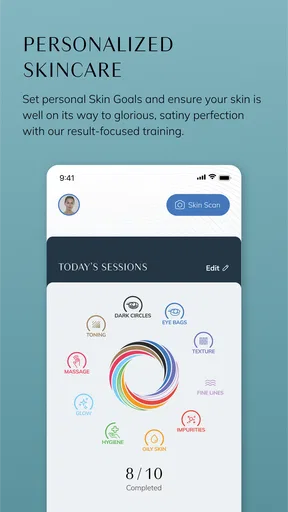
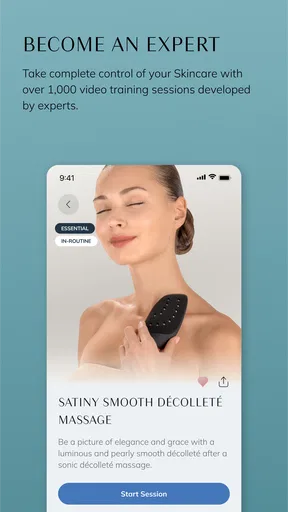
 Analysis by AppCompare
I approached GESKE: German Beauty Tech as a practical skincare companion rather than a magic solution. It is a free beauty app from GESKE Beauty Tech Inc. built around an AI-powered skincare routine, and its real value depends on how willing you are to turn occasional advice into a repeatable habit. After using it, my impression is that it makes more sense for someone who wants structure and guidance than for an experienced skincare user who already knows exactly what to apply and when.
The app has a 4.5 average from around one hundred ratings, with over ten thousand installs. Those figures suggest a small but interested user base rather than a universally established beauty platform. It is available for Everyone, runs on operating systems from version nine onward, and the current release is 2.4.5. The download itself is free, which lowers the barrier to trying it, although the broader value naturally depends on how useful its recommendations feel in your own routine.
How I judged the app before trusting its advice
When I test a skincare app, I do not begin by asking whether it sounds clever. I ask whether it helps me make better decisions on an ordinary morning, whether it avoids making skincare feel unnecessarily complicated, and whether its suggestions are easy to follow when I am tired or in a hurry. I also look at how much work is required before the advice becomes useful. An app can promise intelligent guidance, but if the setup is vague or the results are difficult to interpret, it quickly becomes another icon that I stop opening.
That is why I treated this as a decision guide rather than a beauty catalogue. The important questions are simple: do you need help organizing products, do you want a more personalized starting point, and are you comfortable treating app guidance as general skincare support rather than professional medical advice? If your answer is yes to the first two, this app has a reasonable purpose. If you are dealing with a persistent skin condition or a reaction that needs diagnosis, I would not use an AI routine as a substitute for a dermatologist.
The first useful distinction is between guidance and shopping. Many beauty apps are mainly product browsers, content feeds, or camera-based tools that encourage experimentation. GESKE: German Beauty Tech is more appealing when you want a process. Instead of opening it only to look at a new product, you can use it as a prompt to think about what your skin needs today and how consistently you are following your chosen routine.
I also considered the cost of attention. Free apps are not truly free if they demand constant input, send distracting reminders, or make every session feel like a sales funnel. My best experience came from using the app with a modest goal: establish a manageable routine, check the guidance, and then put the phone away. That approach keeps it useful without allowing the app to become the routine itself.
The kind of user who gets the most from it
I would point beginners toward this app first. Someone who owns several cleansers, serums, and moisturizers but uses them randomly may benefit from a clearer sequence and a reason to be consistent. It can also suit a person returning to skincare after abandoning a complicated routine. Starting again with a guided structure is less intimidating than trying to remember advice from scattered videos, social posts, and product packaging.
Worth Reading Before You Choose

EA SPORTS FC Mobile 26 Is a Bigger Football Game, but It Takes Time

Flipboard Shows What News Apps Must Do Beyond the Feed

Switching to Android Auto Means Rethinking Your Driving Routine

Google Calendar Makes a Crowded Week Easier to Manage

Ludo King Makes the Most of the Minutes Between Plans

Baby Panda World Brings Quick Play to Modern Phones, but Its Game Library Feels Busy
It is also a sensible option for people who enjoy tracking personal habits. The AI angle is most useful when it encourages reflection instead of promising certainty. Your skin can change with weather, stress, sleep, shaving, and product overload, so any recommendation should be treated as a starting point. I found the app easier to appreciate when I used its guidance to ask better questions, not when I expected it to identify every issue perfectly.
There is a particularly realistic use case for busy mornings. Imagine getting ready for work, noticing that your skin feels dry after a late night, and wanting a short reminder of what belongs in your routine. Rather than searching through saved videos or opening several product pages, you can consult the app and keep the decision small. The benefit is not dramatic transformation in one session; it is reducing the number of routine decisions that cause you to skip skincare altogether.
Where the app has a practical advantage
The strongest part of the experience is the attempt to connect skincare advice with personalization. A generic article can explain what a cleanser or moisturizer does, but it cannot easily become a routine that feels relevant to one person. The app’s AI-powered positioning gives it a clearer role: it tries to make skincare guidance feel more individual than a static checklist.
That matters because beginners often make one of two mistakes. They either use too little structure and change products constantly, or they build an elaborate routine that is impossible to maintain. A guided app can help create a middle ground. My advice is to begin with the smallest routine the app makes practical, then observe how well you can follow it before adding anything else. Consistency is more useful than collecting steps.
Another strength is accessibility. The app is free and carries an Everyone age rating, so it is easy to recommend as a low-risk starting point for general skincare organization. I would still encourage younger users to keep expectations sensible and involve a parent or healthcare professional when irritation or a medical concern is involved. The age rating makes the app broadly approachable, but it does not turn cosmetic guidance into clinical treatment.
The developer, GESKE Beauty Tech Inc., gives the product a focused identity rather than making it feel like a general-purpose lifestyle app. That focus is helpful because the interface and purpose are easier to understand: you are not opening it for unrelated wellness content. You are opening it to make skincare decisions more organized.
Three ways I would use it beyond the obvious setup
First, I would use it as a routine audit rather than a product-discovery engine. Before adding anything new, I would follow the existing guidance for a while and note whether I am actually completing the routine. This reveals a hidden trade-off: sometimes the problem is not a missing product but too many steps. If the app helps you identify that, it has already done something more valuable than recommending another purchase.
Second, I would use it when changing one variable at a time. If you introduce several products together, you will not know which one helped or caused discomfort. A more disciplined workflow is to keep the rest of the routine stable, make one change, and pay attention to how your skin responds. The app cannot remove that uncertainty, but it can provide a consistent place to return for routine guidance while you avoid making multiple changes at once.
Third, I would use it as a preparation tool before speaking with a professional. If your skin is repeatedly uncomfortable, record what you are using and how your routine changes over time, then take that information to a dermatologist or pharmacist. This is a better use of an app than asking it to diagnose you. It turns digital guidance into organized context while leaving medical judgment to a qualified person.
Small frictions that affect everyday use
The AI label can create expectations that no skincare app can fully meet. Skin is not a fixed data point, and a camera, questionnaire, or digital recommendation cannot account perfectly for allergies, medication, hormonal changes, or a condition that looks similar to ordinary dryness. I would therefore avoid treating a recommendation as an instruction that must be followed regardless of how your skin reacts.
There is also a natural trade-off between personalization and effort. The more useful you want the guidance to be, the more carefully you need to describe your routine and preferences. Users who dislike entering information or reviewing recommendations may find the process less rewarding than simply reading a short skincare guide. In that case, a basic notes app or a trusted professional may be a better fit.
Another limitation is that the app cannot make products work faster. It may help with order, consistency, and decision-making, but visible skincare results still depend on the products themselves, regular use, and individual response. I would be cautious of anyone expecting the app alone to solve acne, pigmentation, sensitivity, or sudden changes in the skin.
How it compares with more familiar skincare alternatives
Compared with a traditional beauty blog or printed routine card, this app has the advantage of being interactive and easier to revisit. A static guide can be excellent when you already understand your skin and only need general education. GESKE is more suitable when you want the guidance to feel connected to your own routine. The trade-off is that a written source may explain ingredients and exceptions in greater depth, while an app tends to prioritize quick decisions.
Compared with social media skincare content, I prefer the app’s focused purpose. Social platforms are useful for discovering ideas, but they can encourage trend-based switching and make every routine look more urgent than it really is. An AI-guided tool can offer a calmer workflow, provided you remember that its suggestions are still guidance rather than proof that a particular product or step is necessary.
Compared with a simple reminder app, GESKE offers more skincare context. A reminder can tell you to complete a task, but it cannot replace a routine-oriented source of advice. On the other hand, a reminder may be better for someone who already knows their products and only needs help remembering them. If you are experienced and your main problem is consistency, the simpler tool could be less distracting and faster to use.
Compared with speaking directly to a skincare professional, the app is obviously more convenient for everyday organization, but it is not an equivalent source of expertise. A professional can examine your skin, consider your history, and respond to symptoms that a digital routine cannot interpret safely. I see this app as a companion between professional conversations, not as a replacement for them.
There is also a difference between this app and a product brand’s ordinary shopping application. A shopping-first app is useful when you already know what you want to buy. GESKE is more interesting when you are trying to decide what your routine should look like and how to make it manageable. That distinction matters if you are trying to reduce unnecessary purchases rather than add more items to your bathroom shelf.
What switching to it really costs
Because the app is free, the financial barrier is low. The more meaningful cost is time and attention. You need to give the app enough information to make its guidance relevant, then resist the temptation to change everything immediately. For a beginner, that learning period may be worthwhile. For an experienced user with a stable routine, it may feel like unnecessary setup.
There is also a habit cost. If you move from a paper list or a familiar reminder to an AI-guided routine, you may spend more time checking advice at first. I would handle that by creating a simple trial: use the app to establish a routine, keep the number of steps reasonable, and judge it by whether you actually follow the plan. If opening it becomes another chore, the switch has not helped, even if the recommendations sound intelligent.
One practical tip is to avoid making a purchase immediately after receiving a suggestion. Give yourself time to understand the role of a product in the routine, check whether you already own something that serves a similar purpose, and introduce changes separately. This protects both your budget and your skin. The app is most useful when it improves decisions, not when it accelerates impulse buying.
I would also keep a personal backup of the routine you settle on. That could be a short note describing the order of your products and any reactions you notice. It gives you a stable reference if you stop using the app, change phones, or simply want to compare your actual habits with the guidance. This is an important trade-off: digital assistance is convenient, but your understanding of your own routine should not depend entirely on one application.
Questions I would ask before installing
If you are wondering whether it is suitable for sensitive skin, my answer is cautious rather than absolute. It may help you keep a routine organized, but sensitivity makes it even more important to patch-test products, introduce changes slowly, and stop when something causes discomfort. Do not interpret personalized wording as a guarantee that a product will suit you.
If you are asking whether it can replace a dermatologist, I would say no. Use it for general skincare planning and habit support. Persistent acne, painful inflammation, spreading rashes, unusual changes, or reactions that do not settle deserve professional attention. An app can help you describe your routine more clearly, but it should not be the final authority on a medical concern.
If you already have a routine, the app is worth trying only if you want an additional layer of organization or a fresh way to review your habits. Someone with a carefully tested routine and no difficulty following it may gain very little. In that situation, a simple reminder or personal notes may be more efficient.
If you are concerned about relying on AI, use it as a suggestion engine and keep your own judgment active. Compare its advice with the instructions on your products, avoid combining aggressive steps casually, and pay attention to your skin’s response. The best result is not obedience to an algorithm; it is a clearer, calmer routine that you understand.
Finally, if you are deciding whether the free download is worth trying, I think it is, as long as you approach it with a defined purpose. Install it because you want help organizing skincare, not because you expect an instant diagnosis or dramatic overnight change. That expectation makes the difference between a useful trial and a disappointing one.
My recommendation after using it
I recommend GESKE: German Beauty Tech to beginners, inconsistent users, and anyone who wants AI-supported structure without paying to test the idea. Its best contribution is practical: it can turn vague skincare intentions into a routine you can review and repeat. The app is especially appealing when you are overwhelmed by product choices and need a starting point that feels more personal than a generic article.
I would not make it my first recommendation for people with active skin problems, highly specialized routines, or a strong preference for expert-led advice. Those users may be better served by a dermatologist, pharmacist, or carefully researched ingredient guide. Likewise, if you only need a notification to remind you about products you already understand, this app may offer more involvement than necessary.
My final view is positive but measured. The free price and approachable beauty focus make it easy to explore, while the AI-powered routine concept gives it more purpose than a simple product catalogue. Its limitations are equally important: digital personalization is not medical assessment, and guidance cannot replace patience, careful product changes, or professional help when needed. Use it to build better skincare habits, not to outsource every skincare decision.
Pros
- Personalized routines help target different skin concerns.
- Smart devices make skincare feel more interactive and guided.
- Product recommendations are organized in one convenient app.
- Routine tracking can encourage more consistent skincare habits.
- Clean
- modern interface is easy to navigate for most users.
Cons
- Many features work best with compatible GESKE hardware.
- Some recommendations may feel focused on promoting GESKE products.
- Device pairing and app permissions can take time to set up.
- Results depend on consistent use and may vary by skin type.
- Advanced guidance may require creating an account or sharing data.
FAQs for GESKE: German Beauty Tech
What is GESKE: German Beauty Tech, and what can I use it for?
GESKE: German Beauty Tech is a companion app for GESKE beauty devices and skincare routines. It is designed to help users identify their skin needs, discover suitable routines, learn how to use compatible devices, and track progress over time. The app combines personalized recommendations with guided tutorials, making it useful for beginners as well as people who already have an established skincare routine.
Do I need a GESKE beauty device to use the app?
You can explore parts of GESKE: German Beauty Tech without owning a device, including skincare information, product discovery, and some personalized content. However, the app is most useful when paired with a compatible GESKE device, since connected features may include guided treatments, device-specific instructions, and routine recommendations. Before downloading, check that your particular device model and smartphone are supported.
How does the app create personalized skincare recommendations?
The app typically uses information such as your skin concerns, preferences, routine, and possibly results from an in-app skin analysis to suggest suitable care steps and compatible GESKE products or devices. These recommendations should be treated as general beauty guidance rather than medical advice. Skin can change over time, so reviewing your profile and recommendations regularly may help keep the routine relevant.
Is GESKE: German Beauty Tech suitable for sensitive or problematic skin?
The app may help users build a more organized routine, but it cannot replace advice from a dermatologist or healthcare professional. If you have sensitive, irritated, acne-prone, or medically diagnosed skin, introduce new products and device treatments carefully and follow the manufacturer’s instructions. Stop using a treatment if it causes discomfort, and confirm whether a device is appropriate for your condition before relying on the recommendations.
What permissions, account requirements, and costs should I expect?
Some features may require creating an account, accepting the app’s privacy terms, and granting permissions such as Bluetooth access when connecting a compatible device. The app itself may be available to download at no charge, but GESKE hardware and skincare products are purchased separately, and prices can vary by market. Review the current store listing and privacy policy for the latest subscription, data, and compatibility details.


